


January 08, 2026
Convergence
Convergence of life sciences, physical sciences, engineering, and beyond is critically needed in developing carbon removal solutions
by Prof Annalisa Bracco
CONTEXT: Prof Bracco says we need $1 trillion US invested globally in a multi-country and multi-sector effort to achieve carbon dioxide removal (CDR) technologies that draw 10 gigatonnes of carbon out of the atmosphere every year by 2050. Otherwise, we will fail the Paris Agreement. For context, Australia’s superannuates alone could do this twice over. So could the US Defense budget for 2024 at $2.08 trillion. Or consider that Australia alone generates $62 trillion of GDP per year. Spread across 194 UN nations, the CDR investment is surely not an impossible task. For more context, consider Forbes’ World’s Billionaires List 2024, where the top 10 richest individuals have a combined net worth more than $1 trillion US. They could literally save the Planet.
From mid-March 2023, monthly averaged surface ocean temperatures have broken new warming records compared to all previous measures since 1979, when satellite monitoring started.
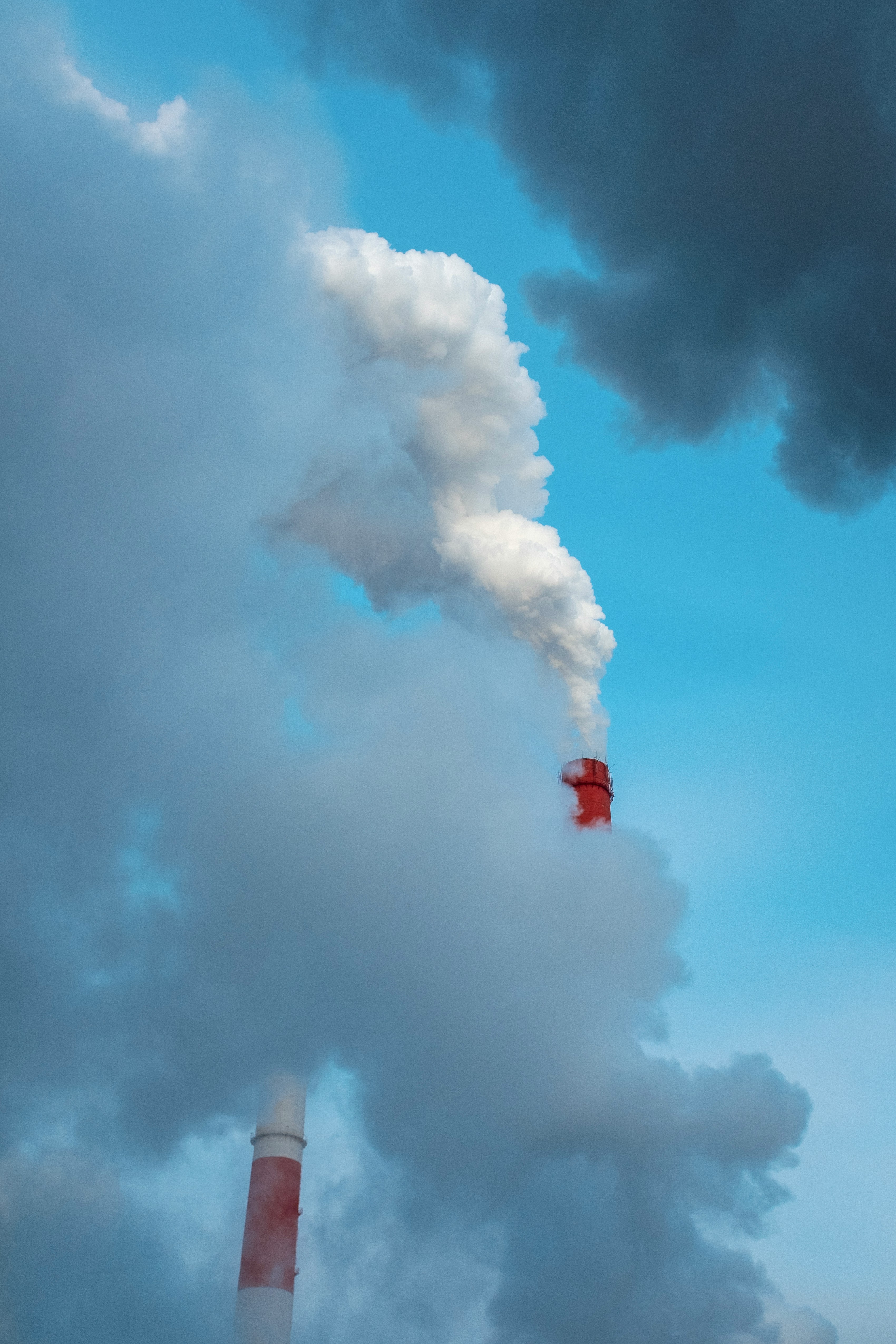
Meanwhile, in 2023 carbon dioxide (CO2) emissions reached a new high surpassing 37 billion tonnes (Gt). At these levels of energy needs, carbon neutrality cannot be achieved through green energy alone. While grid modernization and clean energy development is, and must remain, a vital step towards sustainability, carbon dioxide removal (CRD) technologies need to be deployed to keep global temperatures from increasing above 2oC.
These technologies remove CO2 leveraging either natural or engineered systems. Examples of CDR range from capturing carbon in the atmosphere through direct air capture to planting trees on deforested lands, restoring coastal ecosystems, and adding alkaline substances to fertilizers used in agriculture or seawater to accelerate the land and ocean natural carbon sink.
CDR must capture 10 Gt of CO2 per year by 2050 for carbon neutrality to become a reality by the end of this century. To achieve this target, we need to develop a new technology sector that is roughly worth $1 trillion. This industry is being built, as we speak, with limited input from the science community.
Some of the proposed CDR technologies are speculative because their environmental or social impacts are probably unacceptable; for others there are questions about their effectiveness or cost. Another critical question is what role CDR can play from a policy, economic and climate justice point of view, and finally what may be legal.
Several CDR approaches aim to draw down atmospheric CO2 by mimicking and accelerating natural carbon fluxes. Limited understanding of the climate-carbon feedback and large uncertainties in key terms that describe the evolution of these carbon fluxes hamper both the trust in climate prediction and the public support for large-scale efforts to mitigate climate change through CDR.
As an ocean and climate scientist, I argue that we must quickly converge disciplinary excellence in basic and applied sciences and engineering, and bring together computer scientists, social scientists, lawyers and economists, together with a broad international network of foundations and private and public partners. We need to create an innovative ecosystem and build a new, more diverse and transdisciplinary workforce capable of addressing the climate challenge. That very workforce will also fuel the industry we need to build. This convergence of basic and applied sciences is both urgent and critical: currently the development of engineered solutions to the climate challenge is led mostly by engineers, but technologies that include the environment within their system boundary require extensive collaboration among engineering and natural science researchers, as well as social scientists to achieve public acceptance, lawyers to develop a legal framework, and economists to evaluate costs and benefits.
We should prioritise understanding of carbon exchange processes in the ocean/atmosphere reservoirs and of the stability of the fluxes across those reservoirs under different levels of warming; advancing biogeochemical modeling through a hierarchy of earth system models, and by building new modules that adopt state-of-the-art tools from machine learning and artificial intelligence; improving and innovating CDR approaches; and finally, assessing the impacts of CDR solutions by incorporating the key dynamics into earth system models and carefully investigating ethical, economic, legal, regulatory constraints and public perception.
This effort — that no university, government or private company can take up alone — must be shared across continents and feed seamlessly into educating a more diverse and inclusive workforce, broadening participation in the scientific endeavor and fostering a more ethical knowledge transfer of both science and technology across disciplinary and political borders (and barriers).
World-leading oceanographer, Prof Annalisa Bracco, is Professor and Associate Chair for Research at the School of Earth and Atmospheric sciences at Georgia Institute of Technology in the USA


